
10 times you need a structural engineer
As a homeowner, it's crucial to understand the significance of hiring a structural engineer. A structural engineer will assist in identifying and resolving structural issues with your home.
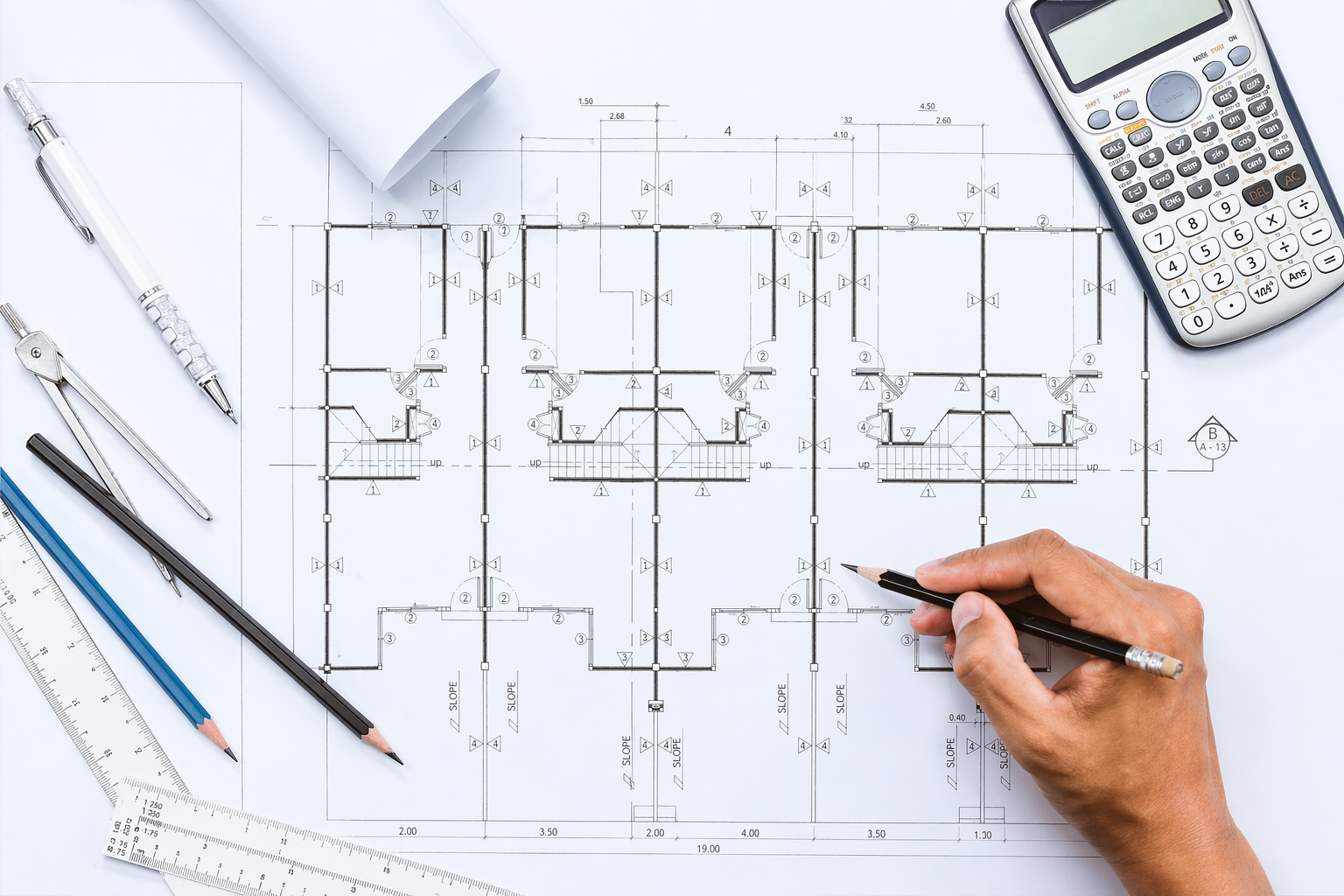
The following are 13 scenarios when a structural engineer is necessary:
- Chimney Removal - The removal of chimneys is a common reason why homeowners seek the services of a structural engineer. With advancements in central heating and improved home insulation, chimneys have become redundant. Removing a chimney requires expertise to ensure it is done safely and securely without compromising the structure of the home.
- Internal Wall Removal - The idea of opening up spaces by removing internal walls is a popular one, and structural engineers deal with such requests frequently. A structural engineer must inspect the wall to determine if it is load-bearing, as the presence of such a wall may require the installation of a substitute support.
- Cracks or Movement in the Home - Whether it's a new construction settling in or an older property developing issues, a structural engineer should inspect any cracks or movements in the home. Ignoring these issues can result in costly repairs and even critical structural problems.
- Replacing a Retaining Wall - If you observe changes in your retaining wall such as bowing, cracking, leaking, or separating, it's necessary to replace it. A structural engineer will provide the necessary expertise to ensure a smooth and safe plan for replacement, and provide information on materials and long-term planning for the retaining wall's success.
- Property Extension - Any extension of your property must be carefully planned and executed to ensure its structural integrity both in the short and long term. A structural engineer will assess the location, feasibility, and materials required, as well as the necessary structural support.
- Loft Conversion - Loft conversions have become increasingly popular over the past two decades as they offer added value and living space without the need to move. A structural engineer is necessary to provide a structural design that meets Building Regulations requirements, designs for stairs, and plans to ensure the roof and structure below can sustain the extra weight.
- Roof Replacement or Defects - Over time, roofs will need to be replaced, and if defects are present, that time has come. If you plan on changing the roofing material, a structural engineer must assess the roof's stability to comply with building regulations. They can also identify areas of concern and assist in planning for new support if the new roof is heavier than the old one.
- Changes to a Balcony Area - It is imperative to consult with a structural engineer before making any changes to a balcony area. Assessing the structural integrity of balconies is crucial in ensuring their long-term success, as materials used may not be visibly problematic to the untrained eye.
- Drainage Requirements - Drainage design is often overlooked but plays a critical role in ensuring the longevity of a project. A well-planned drainage solution can prevent flooding and preserve the foundations of the property.
- Architectural Plans for a New Development - Architects and engineers work together on a daily basis, and getting architectural plans is a great way to visualize the future of your property. A structural engineer must then assess the plans to determine their feasibility and make any necessary alterations to meet building regulations and support requirements.

Ready to Discuss Your Project?
Whether you need structural calculations, beam design, support with building regulations, or advice for an extension or loft conversion, we’re here to help. Send us your details and we’ll come back to you with a practical next step.
Read more
30 August 2026
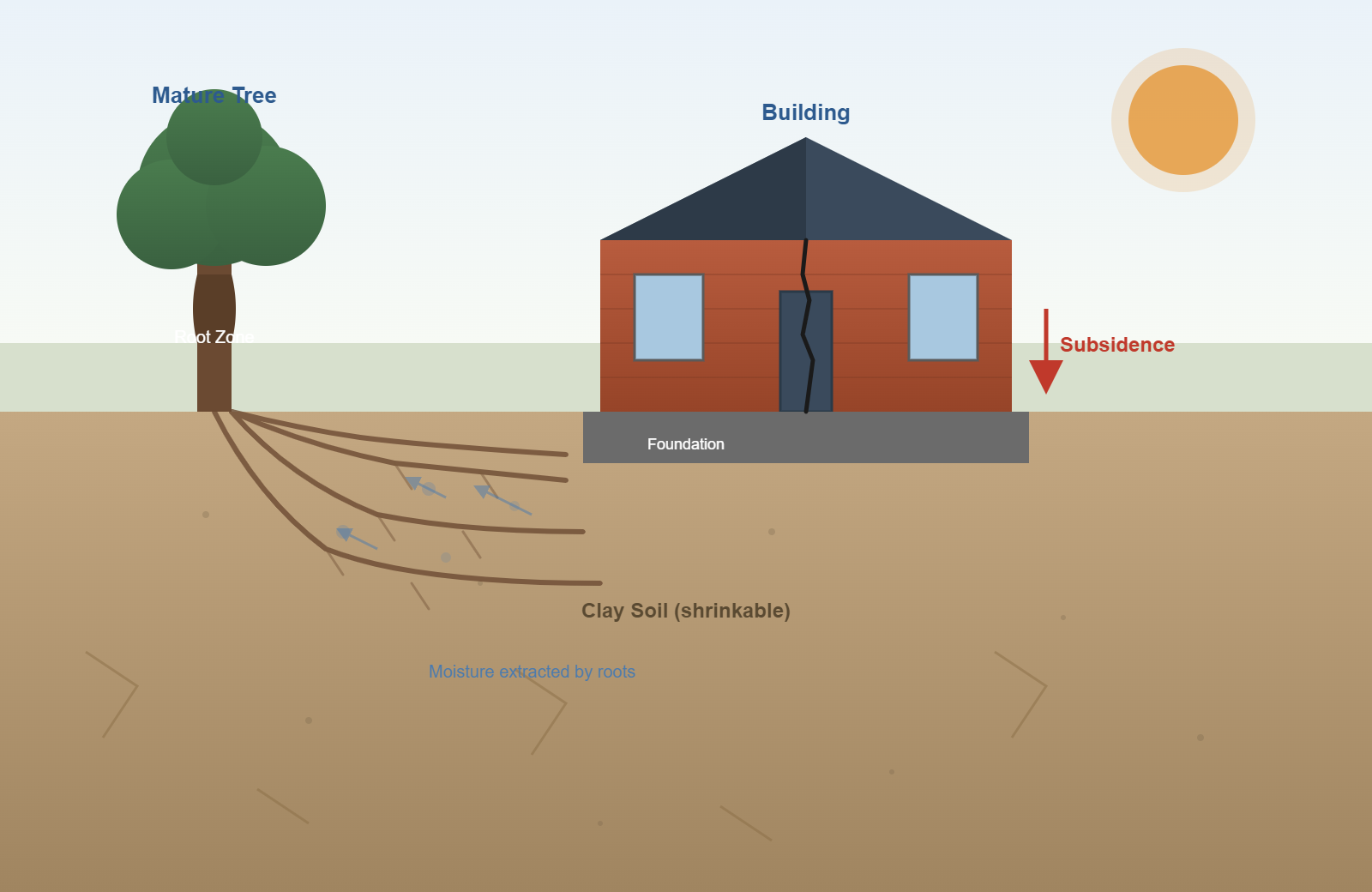
How nearby trees and prolonged hot weather combine to cause subsidence cracks — and why a professional structural survey report is the first step toward protecting
1 March 2026
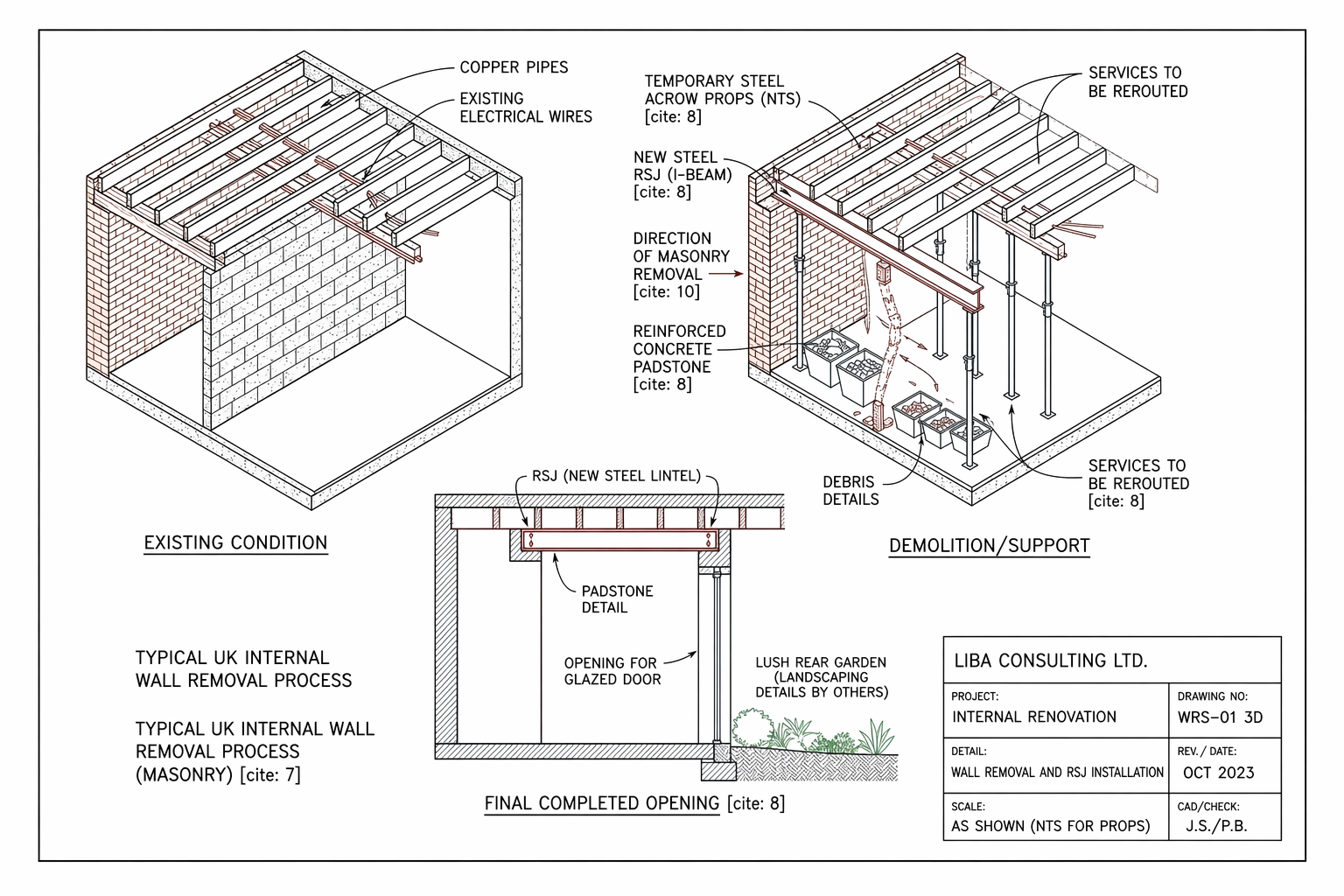
Homeowners and developers often assume that removing a “non-load bearing” wall is a straightforward alteration. While such walls may not directly support floors or roofs, their removal can still affect the structural integrity, stability, fire safety, and compliance status of a building.
26 December 2025
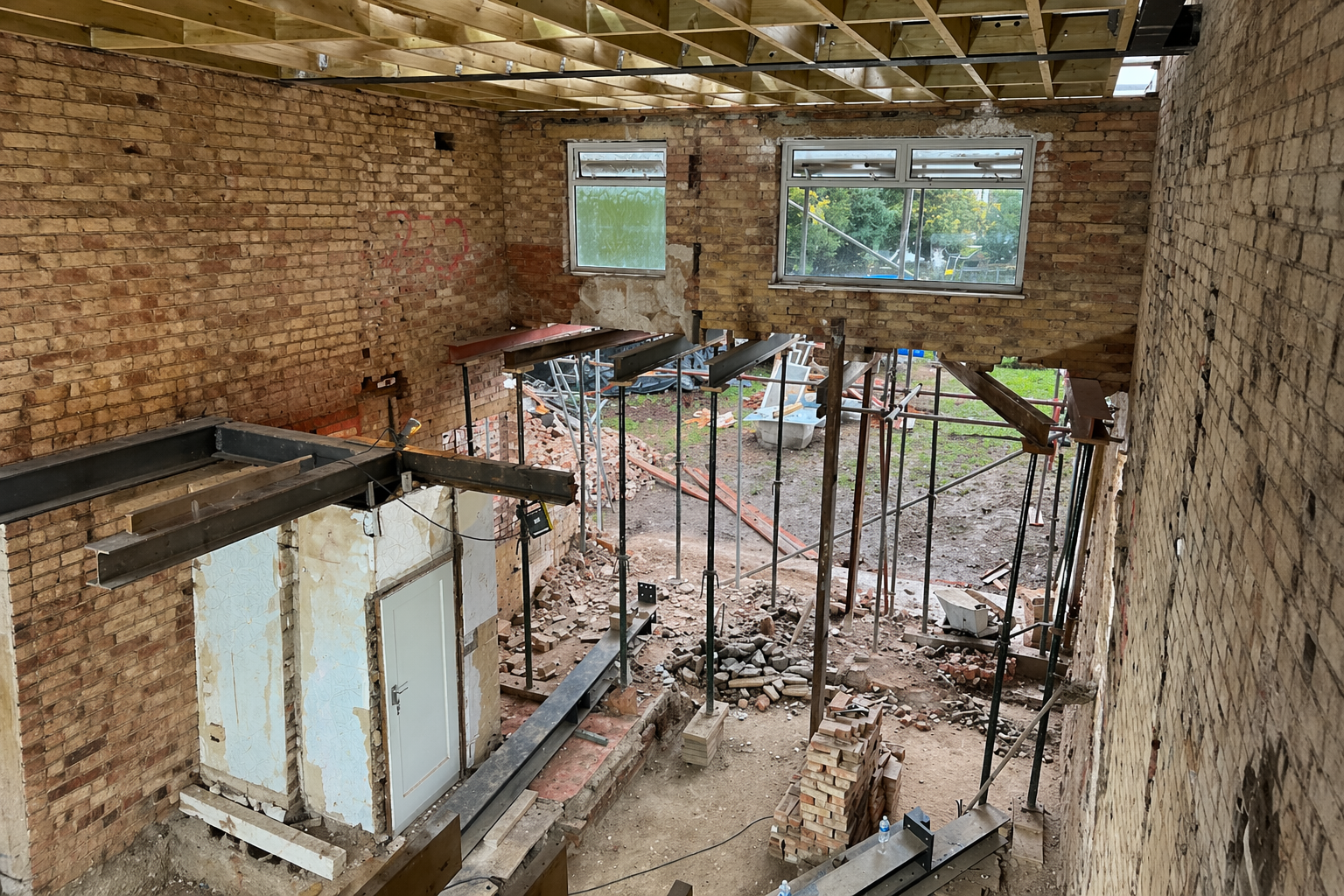
Alterations to existing structures present some of the most challenging scenarios in structural engineering, particularly when they involve the removal of external load-bearing walls.
26 December 2025

By Liba Consulting – Structural & Temporary Works Engineering
The removal of ground load-bearing walls is a critical structural intervention that requires careful engineering judgement, robust analysis, and well-planned temporary works.
29 October 2024
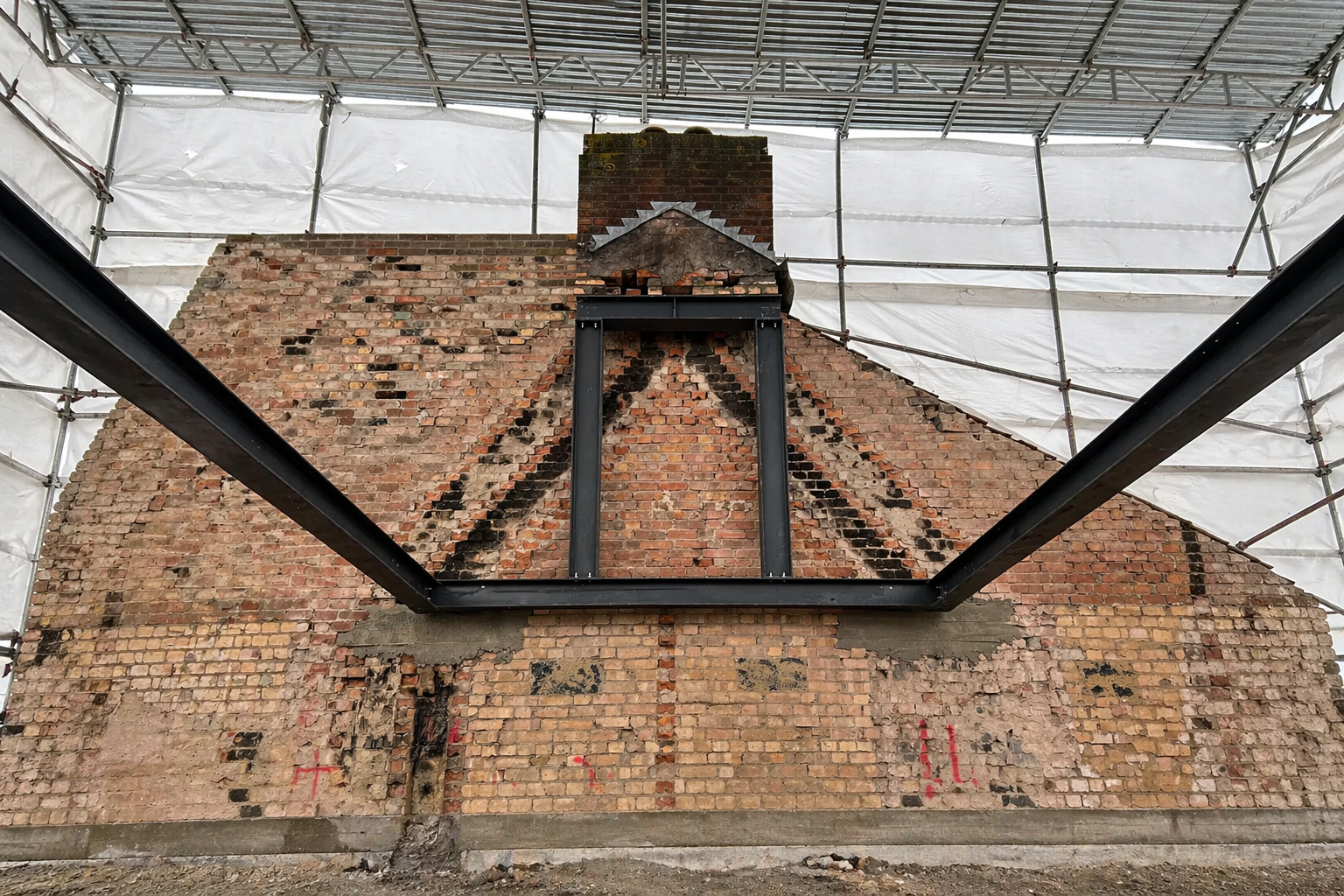
Renovating older properties often means making structural changes, like removing a chimney breast or altering internal walls. But these changes are more complex than they might appear, involving detailed planning, calculations, and the expertise of structural engineers to maintain the safety and stability of the building.
29 October 2024
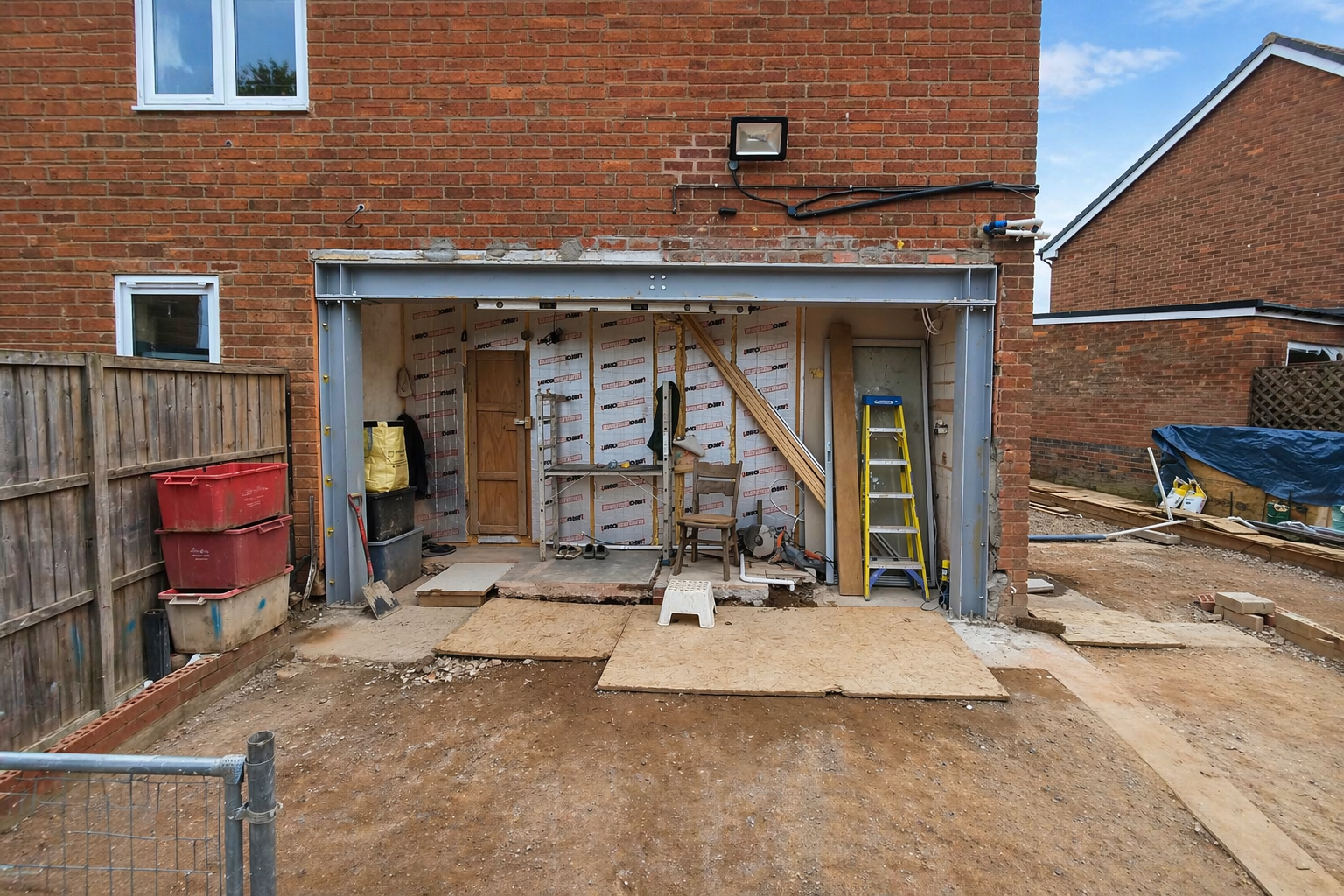
Box and goalpost frames are critical in structural engineering for creating stable openings, particularly in existing rear walls of residential buildings. These frames provide structural support for removing sections of a wall, often to install doors, windows, or open-plan spaces in extensions.
20 June 2023
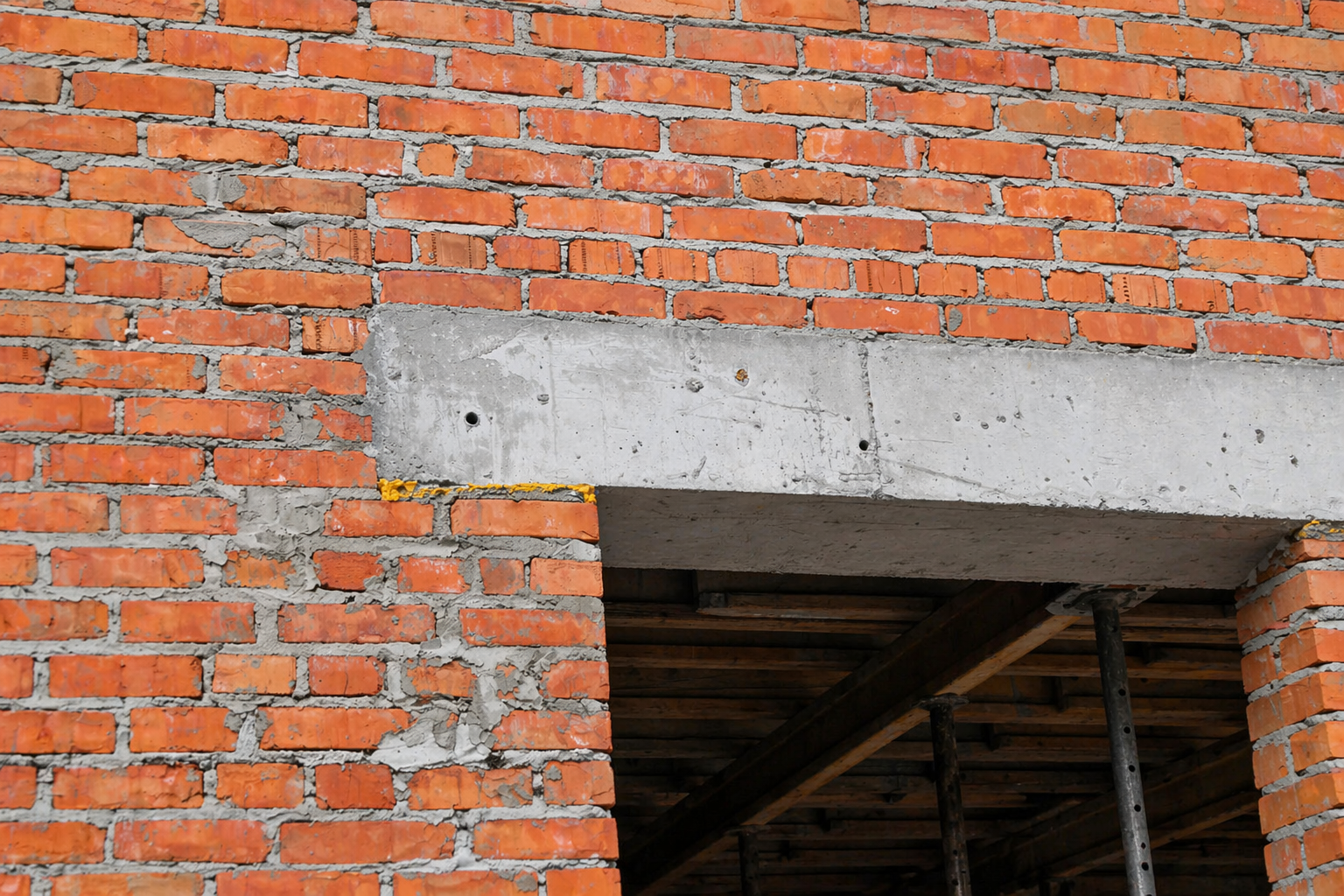
Lintels are a great way to support masonry walls above openings such as windows and doors. They are strong, reliable, and can be designed to fit any opening.
Lintels are made of rolled steel sections, such as angles, channels, or tees or prestressed concrete.
19 February 2023
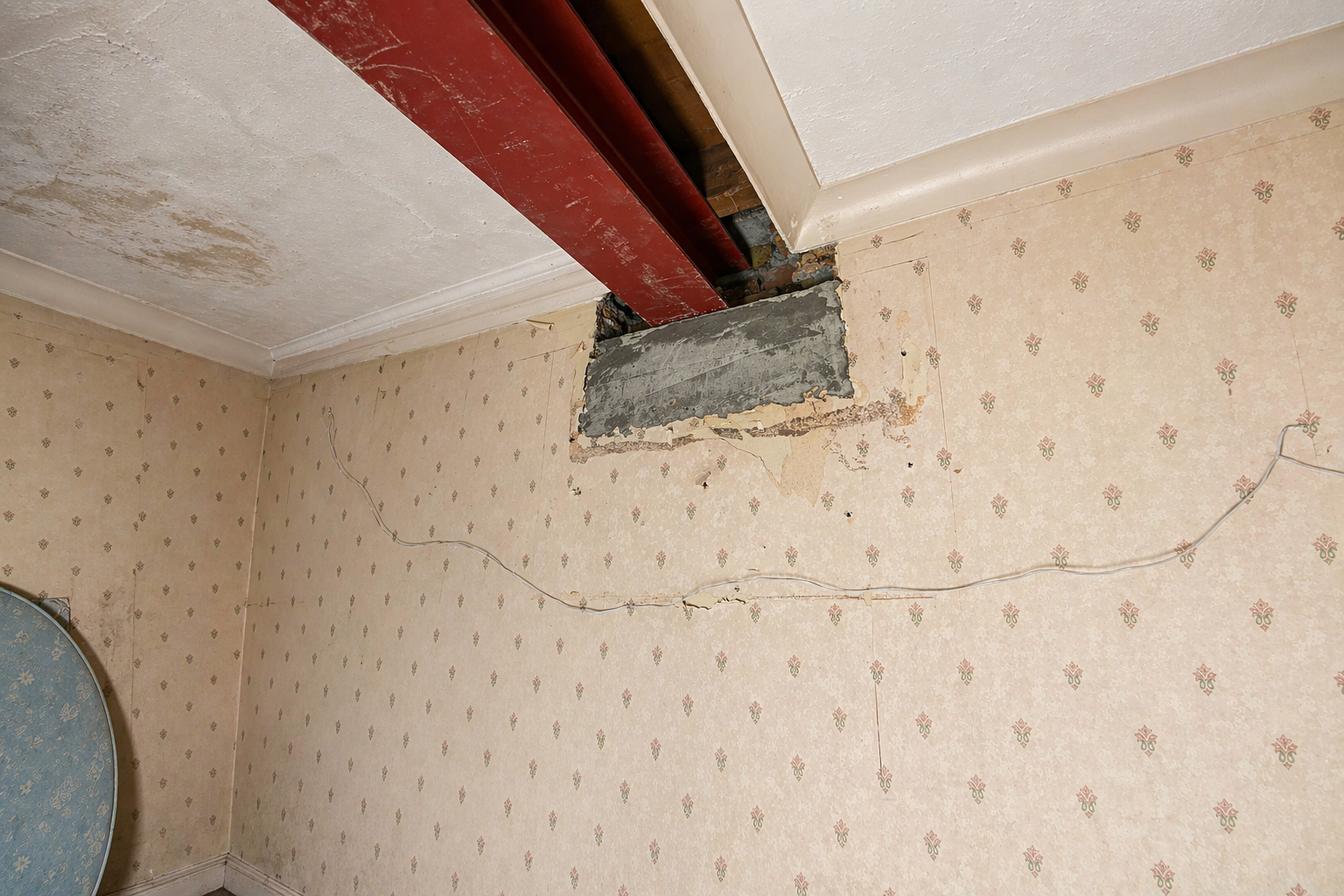
Underpinning is a process used to strengthen and stabilize the foundation of an existing building. It is a crucial step in the maintenance and preservation of structures, especially those that have become weakened over time due to age, changes in the surrounding environment, or other factors. In this article, we will explore the basics of underpinning, its importance in structural engineering, and how it is performed.