What is Underpinning?
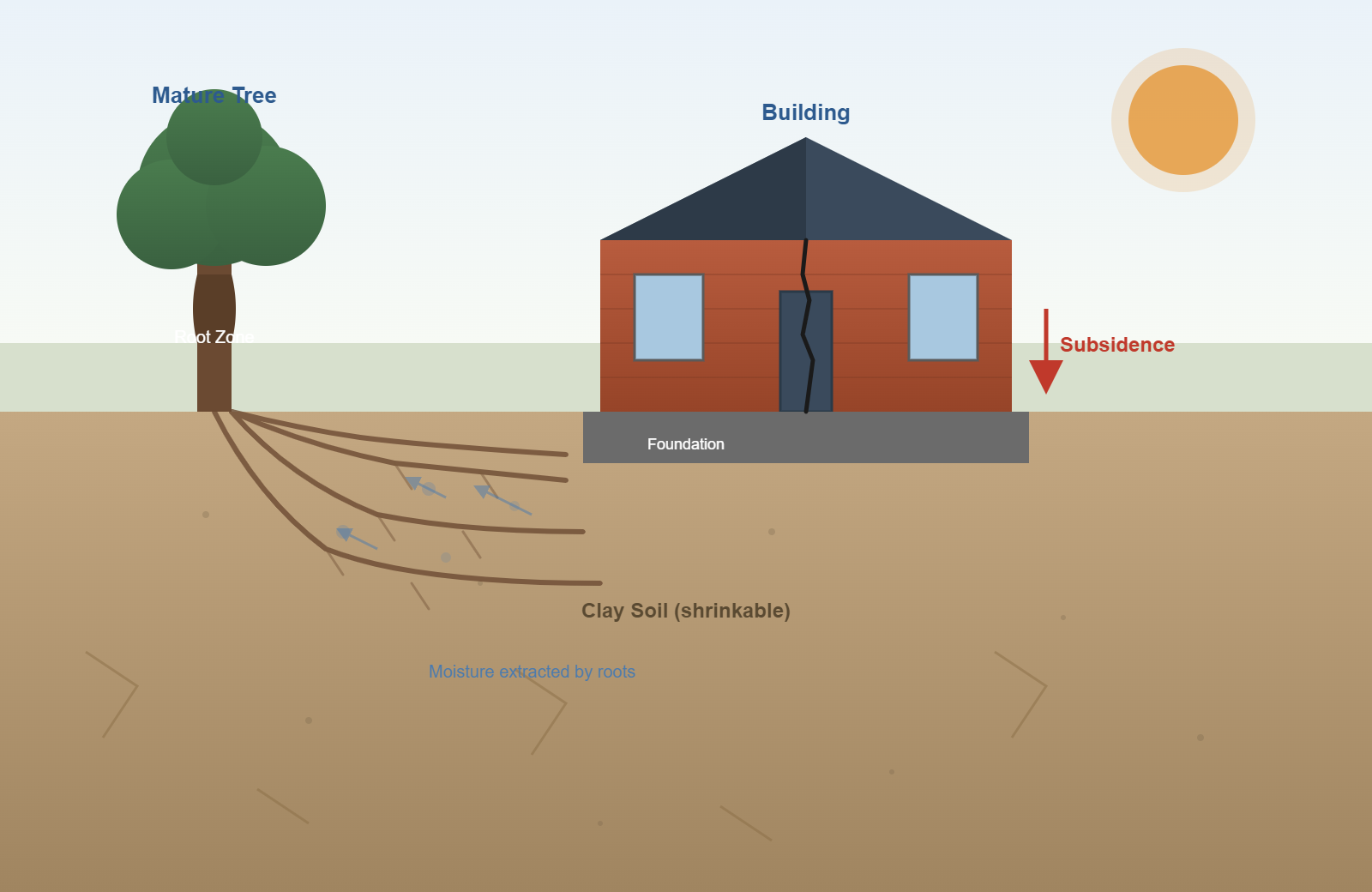
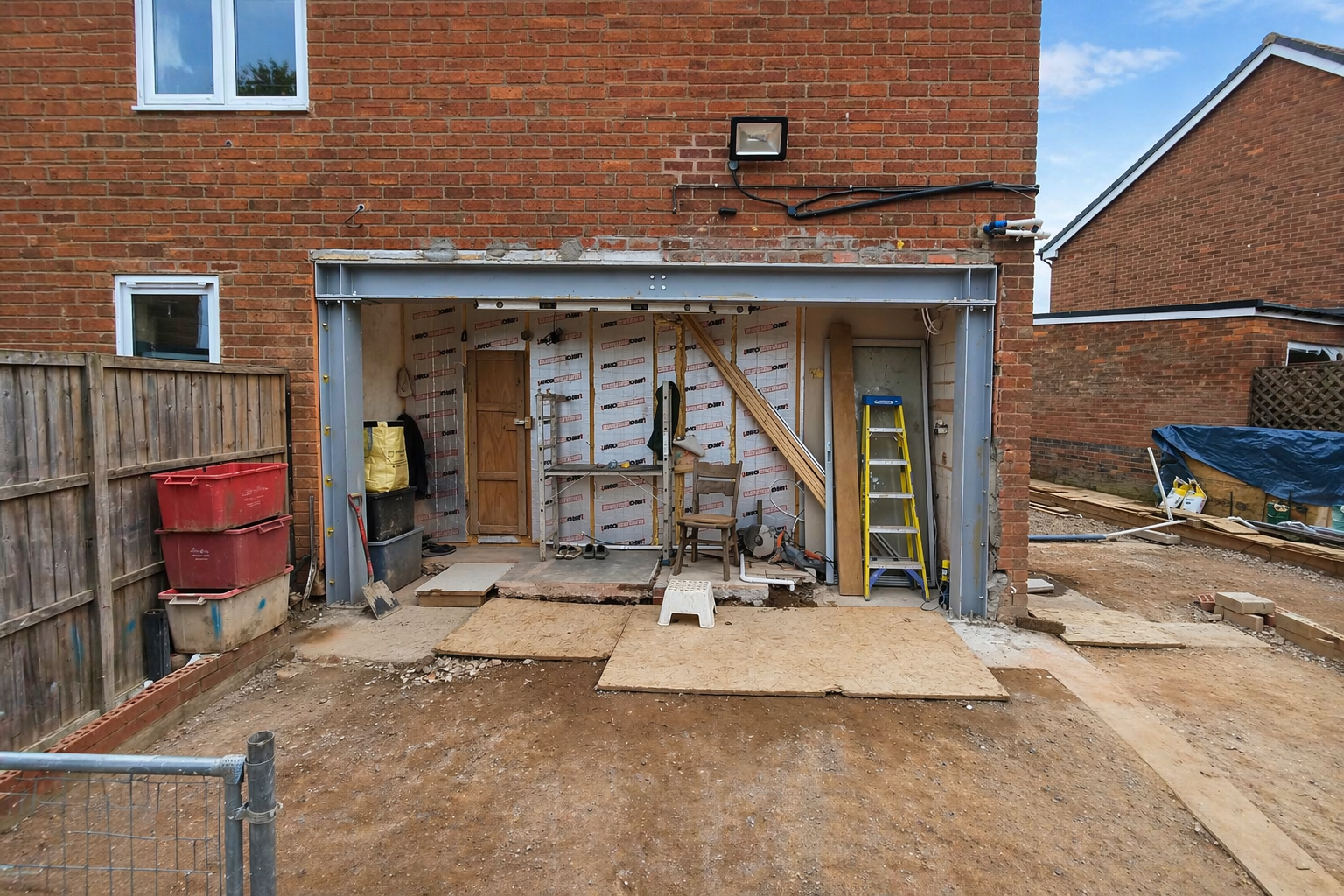
Underpinning is a process that involves adding additional support to the existing foundation of a building. This is done to counteract the settling or shifting of the structure, which can occur due to changes in the surrounding soil or other factors. The process typically involves digging down to the original foundation and then reinforcing it with concrete, steel, or other materials.
Why is Underpinning Important?
Underpinning is an important aspect of structural engineering because it helps to ensure the stability and safety of a building. When a building's foundation is weakened, it can cause cracking, settling, and even collapse. By reinforcing the foundation, underpinning helps to prevent these problems and ensure that the building remains standing for many years to come.
In addition to maintaining the stability and safety of a building, underpinning can also improve its structural integrity. This is especially important for older buildings, which may have originally been constructed with materials and techniques that are now considered outdated. By updating the foundation, a building's structural integrity can be improved, making it stronger and more resistant to future damage.
How is Underpinning Performed?
The underpinning process typically involves the following steps:
- Assessment and planning. This involves conducting a thorough assessment of the existing foundation to determine the extent of any damage or weakness, and to develop a plan for the underpinning process.
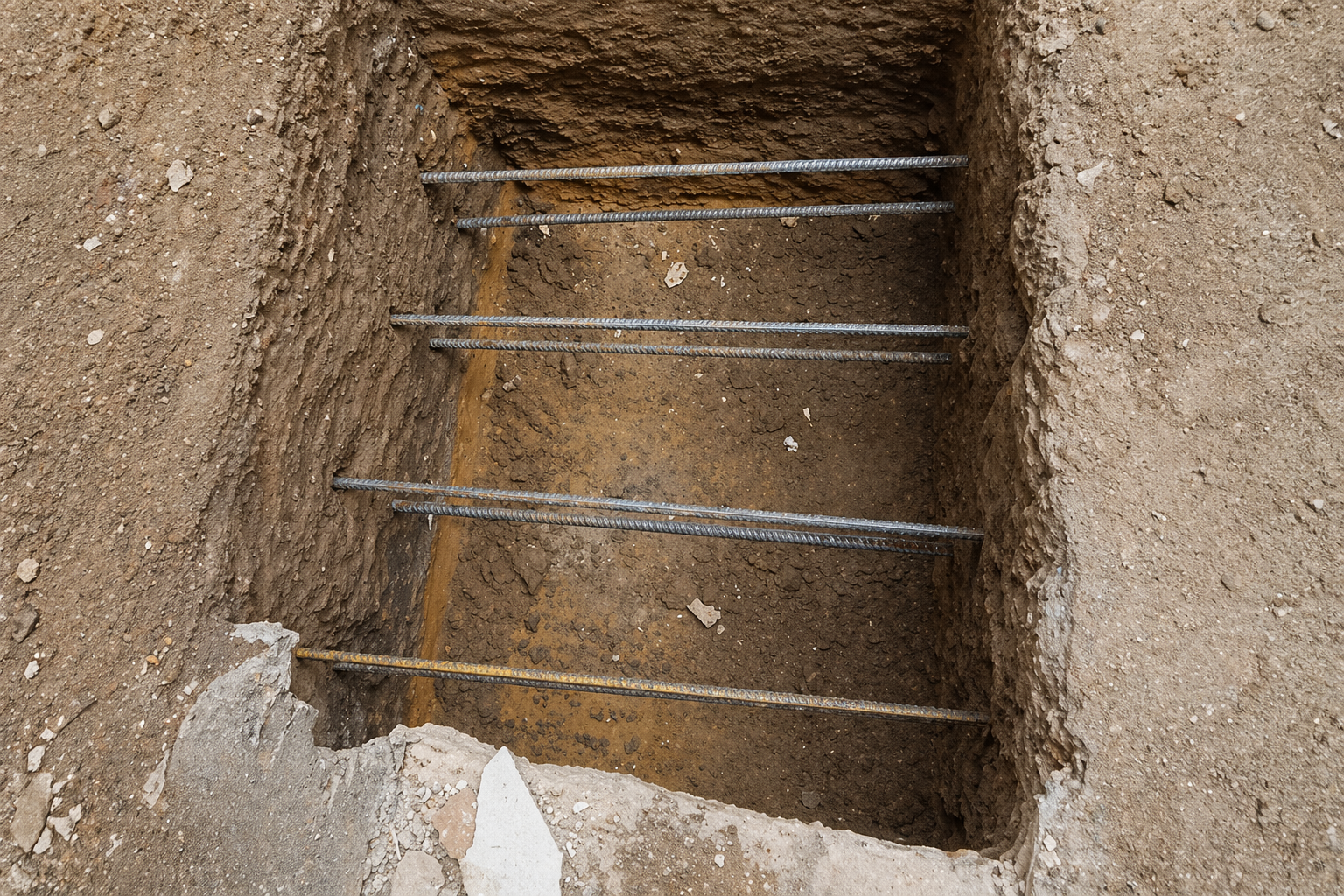
- Excavation. The area around the existing foundation must be excavated to allow access to the foundation and to provide space for the new foundation elements.
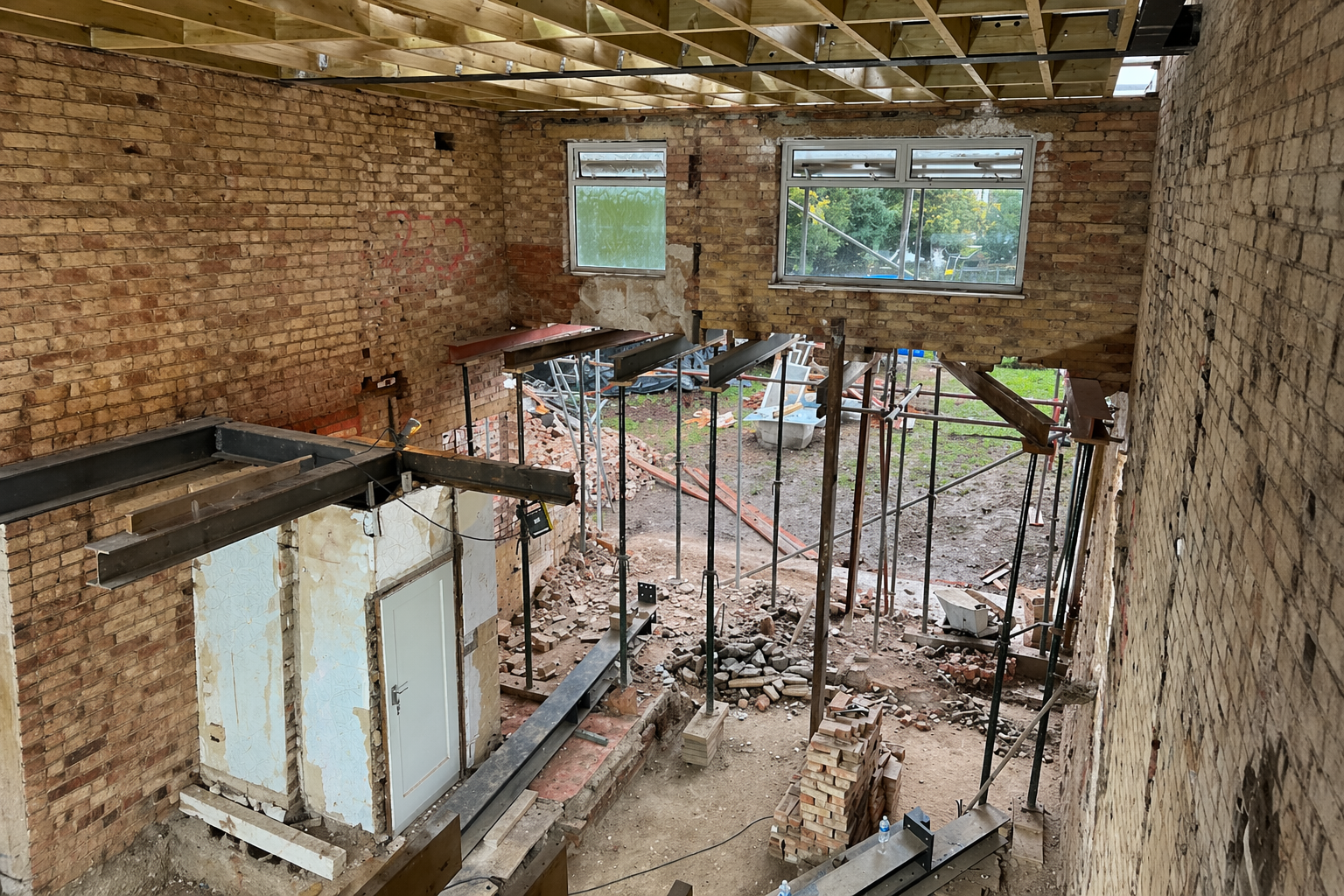
- Installation of support beams or piers. The new foundation elements must be carefully installed to ensure that they are properly aligned and integrated with the existing foundation. This step may also involve the use of shoring or temporary support structures to prevent collapse during the installation process.
- Backfilling. After the new foundation elements have been installed, the area around the foundation must be backfilled and compacted to provide additional stability and support.
- Final inspection. A final inspection must be conducted to ensure that the underpinning process has been successfully completed and that the new foundation is capable of supporting the weight of the structure.
What types of underpinning are there?
There are several types of underpinning, including:
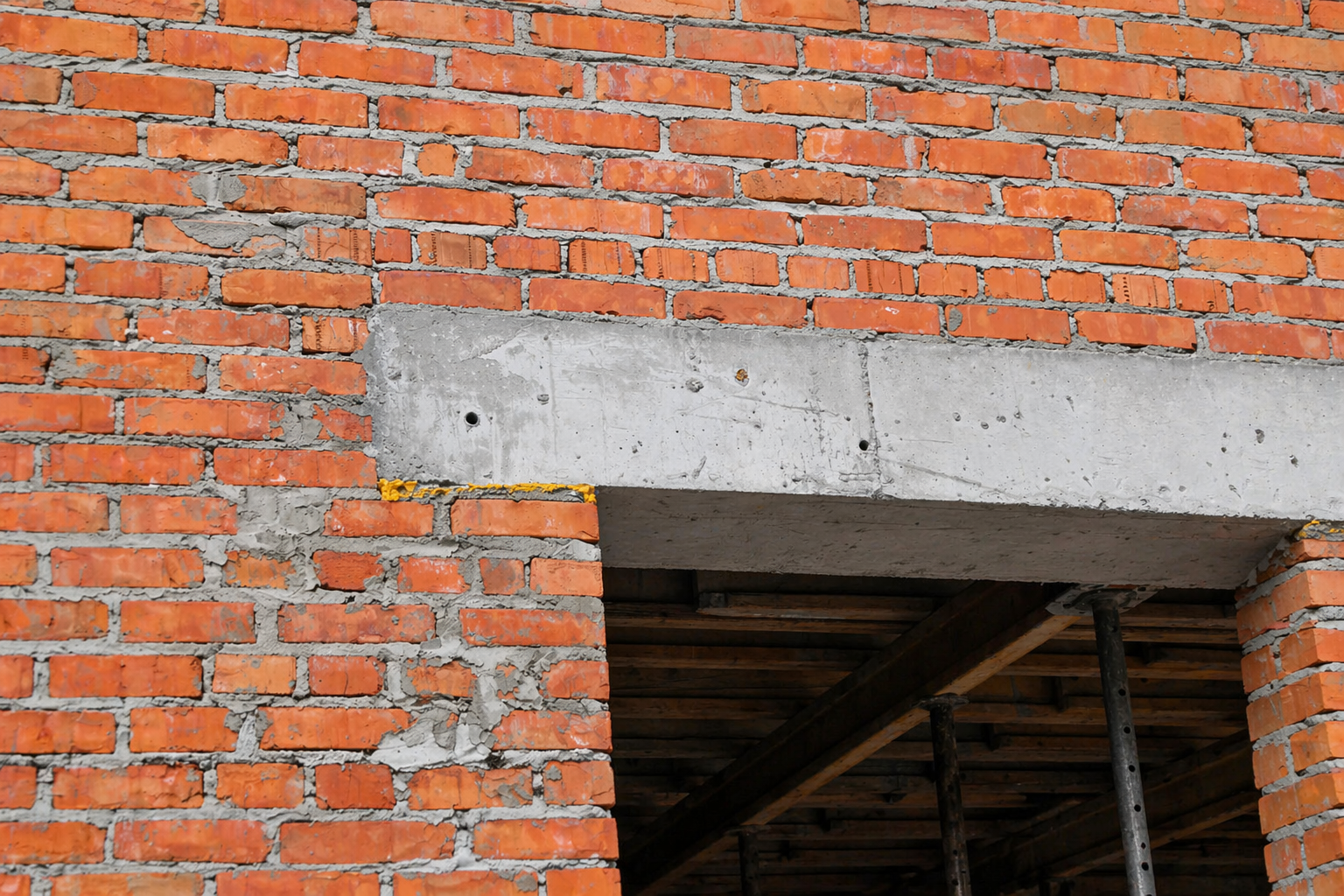
- Mass Concrete Underpinning: This is the most common type of underpinning, where a layer of concrete is added to the existing foundation to increase its load-bearing capacity.
- Piling Underpinning: This type of underpinning involves driving steel or concrete piles into the ground to support the foundation.
- Mechanical Underpinning: This type of underpinning uses jacks and brackets to support the foundation. It is typically used for buildings that are in a state of settlement or sinking.
- Chemical Grouting Underpinning: This type of underpinning involves injecting a grout mixture into the soil around the foundation to fill any voids and stabilize the soil.
- Base Isolation Underpinning: This type of underpinning involves installing a system of bearings that separate the foundation from the underlying soil. This helps to reduce the transmission of seismic forces from the soil to the foundation.
Conclusion

Ready to Discuss Your Project?
Whether you need structural calculations, beam design, support with building regulations, or advice for an extension or loft conversion, we’re here to help. Send us your details and we’ll come back to you with a practical next step.
Read more