
Understanding the Basics and Key Considerations
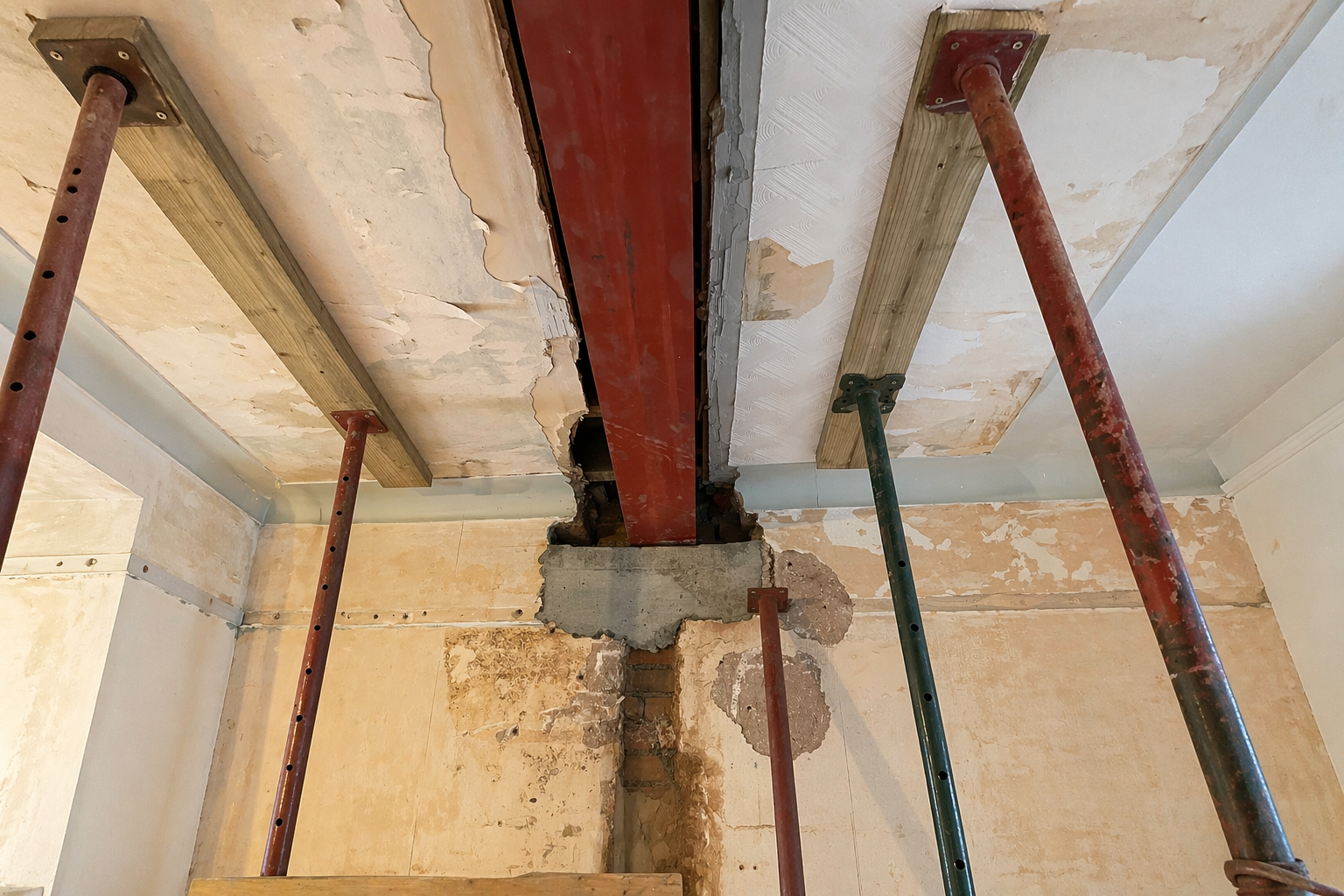
Beam calculation is a crucial aspect of construction, engineering and architectural projects. It helps determine the strength and stability of structures, such as bridges, buildings and other structures. A beam is a horizontal structural member that is supported at each end and is subjected to loads along its length. In order to ensure that a structure is safe, stable and capable of supporting the loads it will be subjected to, it is important to perform proper beam calculations.
Types of Beams
There are several types of beams, each with its own unique properties and characteristics. Some of the most common types of beams include:
- Simply Supported Beams: These beams are supported at each end and are free to rotate and deform. They are used in bridges and buildings where stability is important.
- Cantilever Beams: These beams are supported at one end and are free to rotate and deform at the other end. They are used in construction of bridges and other structures where stability is important.
- Continuous Beams: These beams are supported along their entire length, making them ideal for large structures such as bridges and buildings.
- Fixed Beams: These beams are rigid and cannot rotate or deform. They are typically used in construction of bridges and other structures where stability is important.
Key Considerations in Beam Calculation
When performing beam calculations, there are several key considerations that must be taken into account. Some of these include:
- Loads: The loads that the beam will be subjected to must be carefully considered, including dead loads (the weight of the structure itself), live loads (such as the weight of people and vehicles) and environmental loads (such as wind and snow).
- Material Properties: The properties of the material being used must also be considered, including its strength, stiffness and density.
- Geometry: The geometry of the beam, including its length, width and height, must be taken into account.
- Support Conditions: The support conditions of the beam, including the type of support and the location of the supports, must be considered.
- Boundary Conditions: The boundary conditions of the beam, such as the type of end support and the type of loading, must also be considered.
The Importance of Accurate Beam Calculations
Accurate beam calculations are crucial in ensuring the safety and stability of a structure. Inaccurate calculations can lead to a number of problems, including the collapse of the structure, and can put the lives of those using the building at risk. It is essential to hire a profession structural engineer for your beam calculations to ensure that your structure is designed and built to withstand the various loads it will be subjected to throughout its lifetime.
Types of Loads that Impact Beam Strength
When designing a structure, it is important to consider the various loads that will impact the strength of the beams. These loads can include:
- Dead loads, which are the permanent loads that the structure will be subjected to, such as the weight of the beams and other building materials.
- Live loads, which are temporary loads that the structure will be subjected to, such as the weight of people, furniture, and other equipment.
- Wind loads, which are the loads that the structure will be subjected to as a result of wind.
- Snow loads, which are the loads that the structure will be subjected to as a result of snow accumulation on the roof.
Loft conversions are a cost-effective and practical solution for homeowners looking to add extra space and value to their homes. At Liba Consulting Ltd, we have the expertise and experience to help you transform your loft into a comfortable and functional living space. Contact us today to learn more about our loft structural design conversion services and how we can help you.

Ready to Discuss Your Project?
Whether you need structural calculations, beam design, support with building regulations, or advice for an extension or loft conversion, we’re here to help. Send us your details and we’ll come back to you with a practical next step.
Read more
30 August 2026
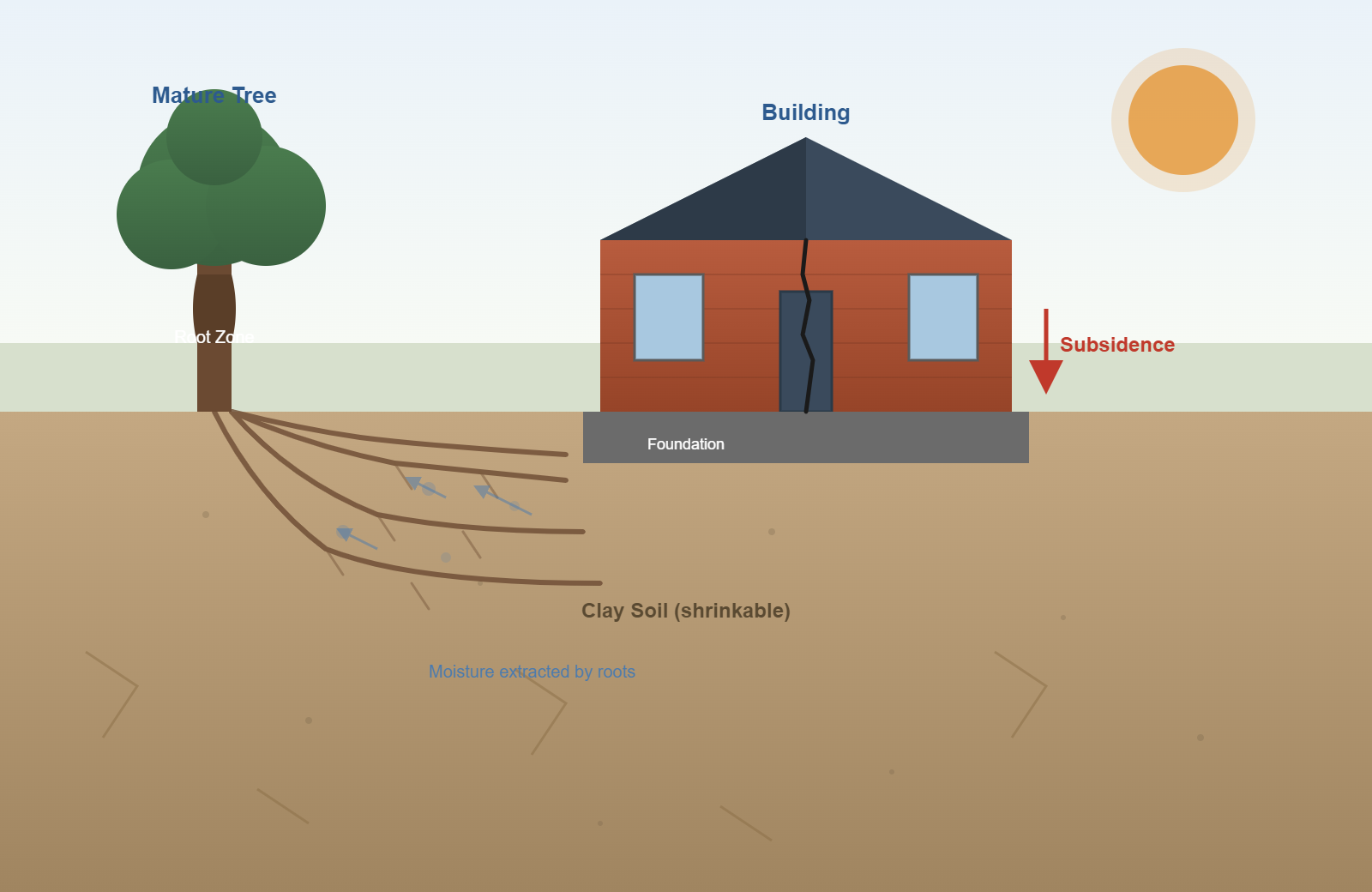
How nearby trees and prolonged hot weather combine to cause subsidence cracks — and why a professional structural survey report is the first step toward protecting
1 March 2026
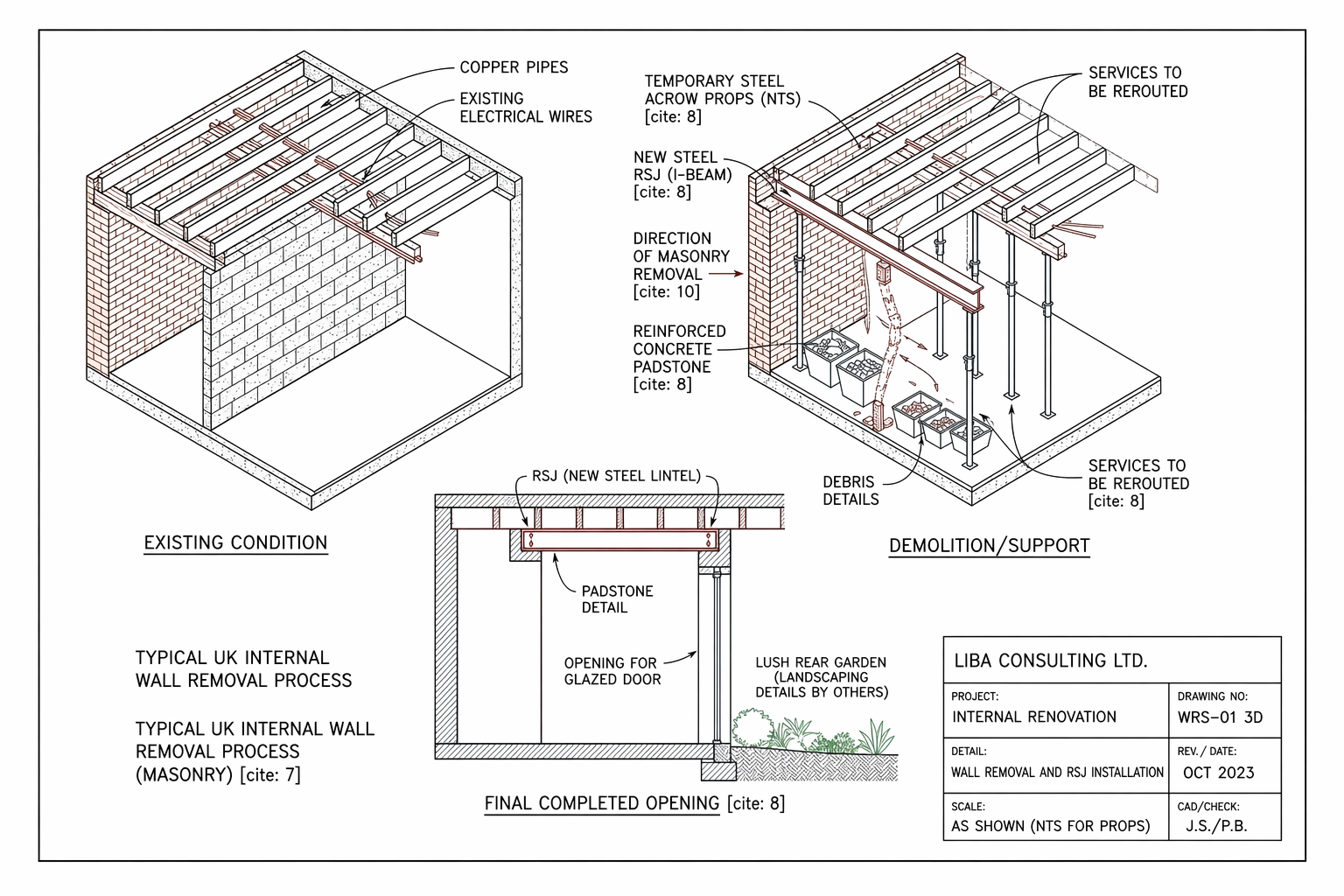
Homeowners and developers often assume that removing a “non-load bearing” wall is a straightforward alteration. While such walls may not directly support floors or roofs, their removal can still affect the structural integrity, stability, fire safety, and compliance status of a building.
26 December 2025
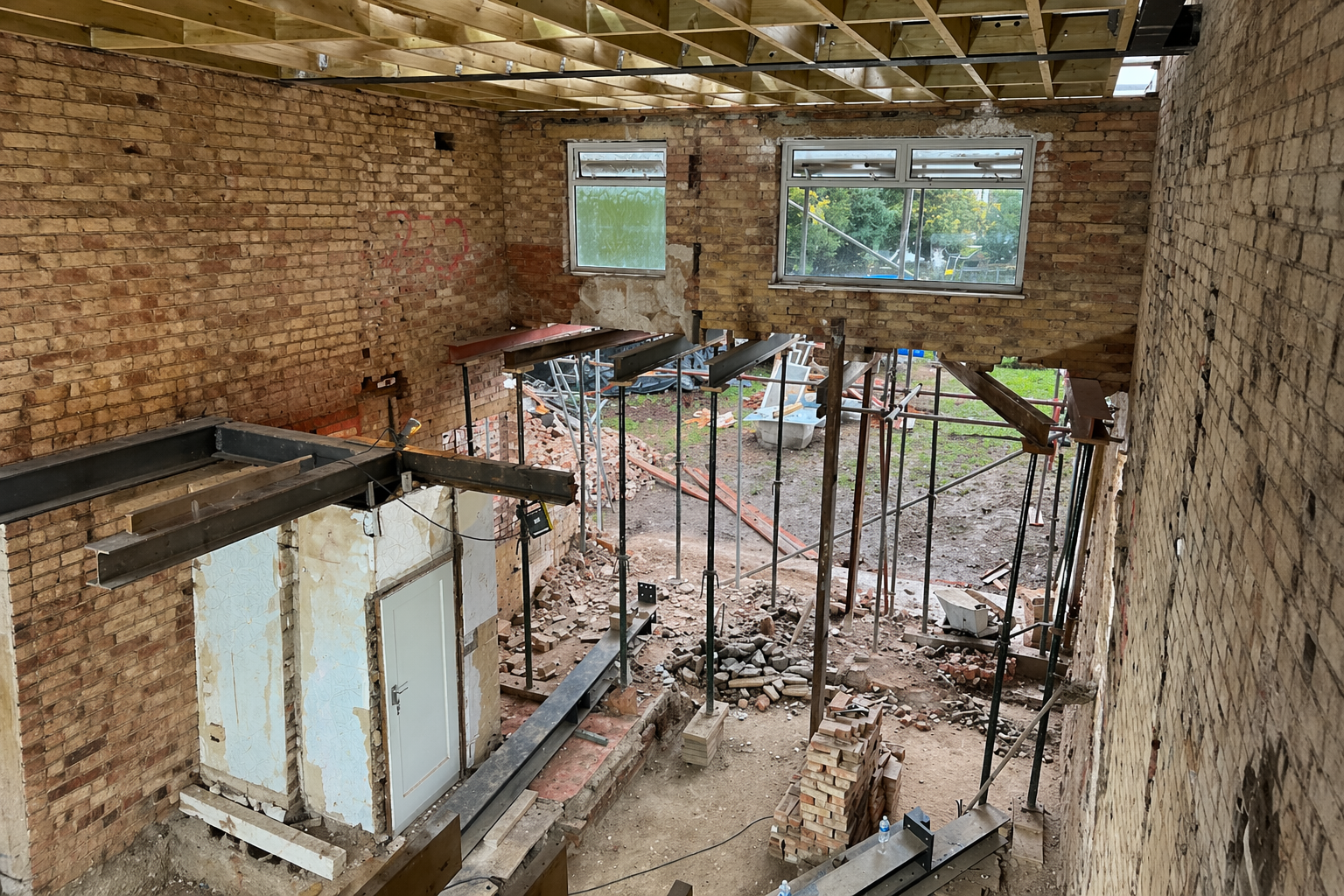
Alterations to existing structures present some of the most challenging scenarios in structural engineering, particularly when they involve the removal of external load-bearing walls.
26 December 2025

By Liba Consulting – Structural & Temporary Works Engineering
The removal of ground load-bearing walls is a critical structural intervention that requires careful engineering judgement, robust analysis, and well-planned temporary works.
29 October 2024
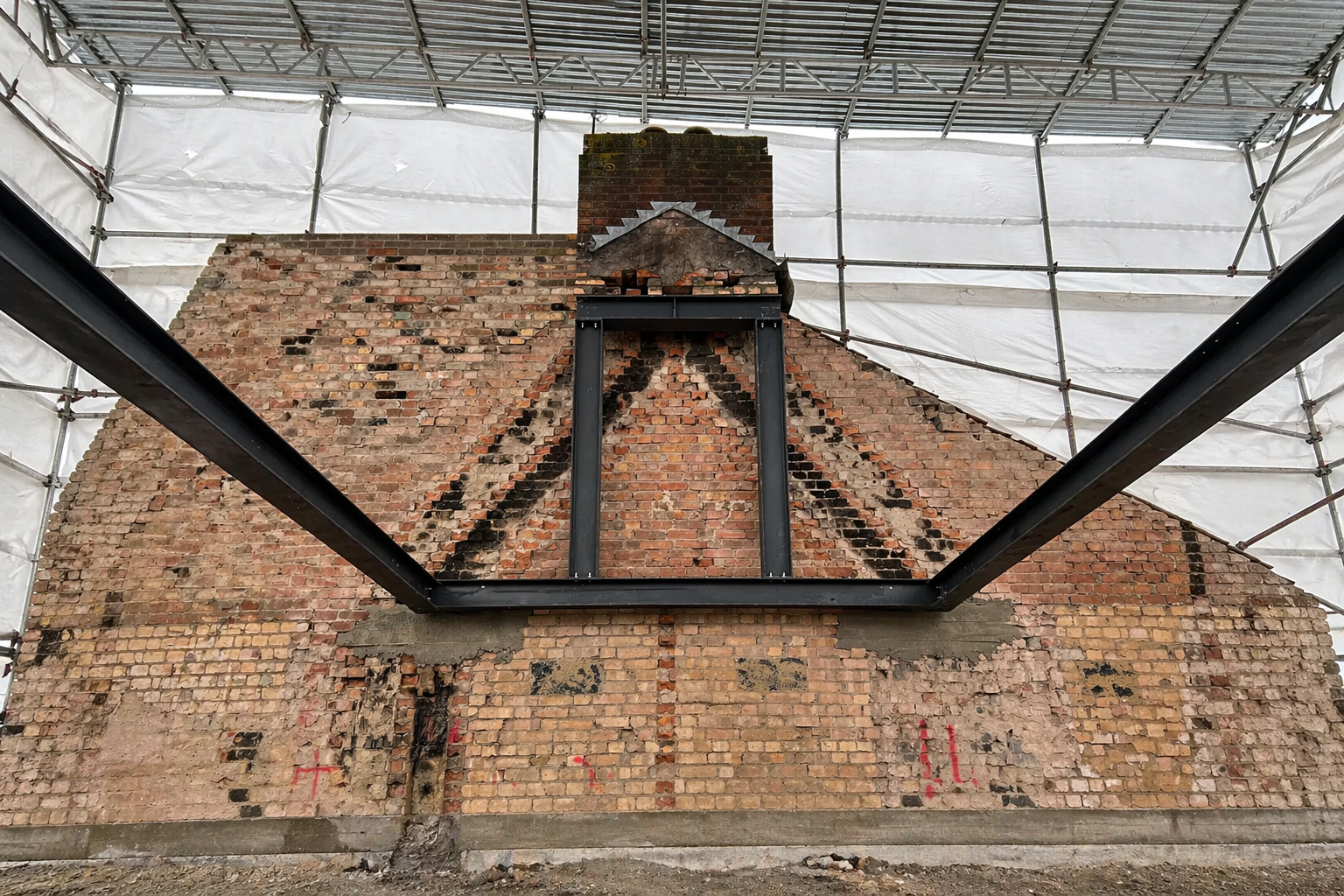
Renovating older properties often means making structural changes, like removing a chimney breast or altering internal walls. But these changes are more complex than they might appear, involving detailed planning, calculations, and the expertise of structural engineers to maintain the safety and stability of the building.
29 October 2024
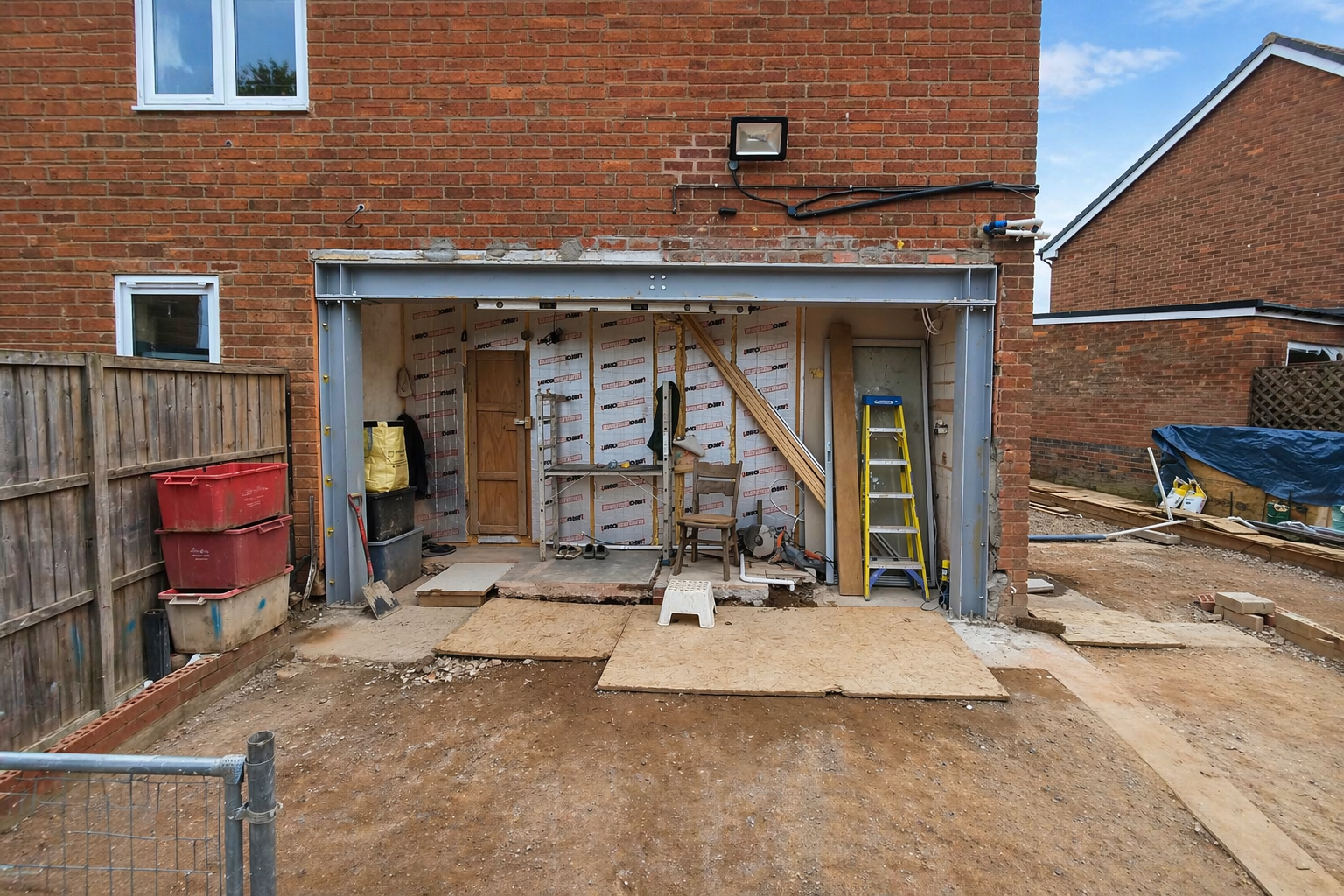
Box and goalpost frames are critical in structural engineering for creating stable openings, particularly in existing rear walls of residential buildings. These frames provide structural support for removing sections of a wall, often to install doors, windows, or open-plan spaces in extensions.
20 June 2023
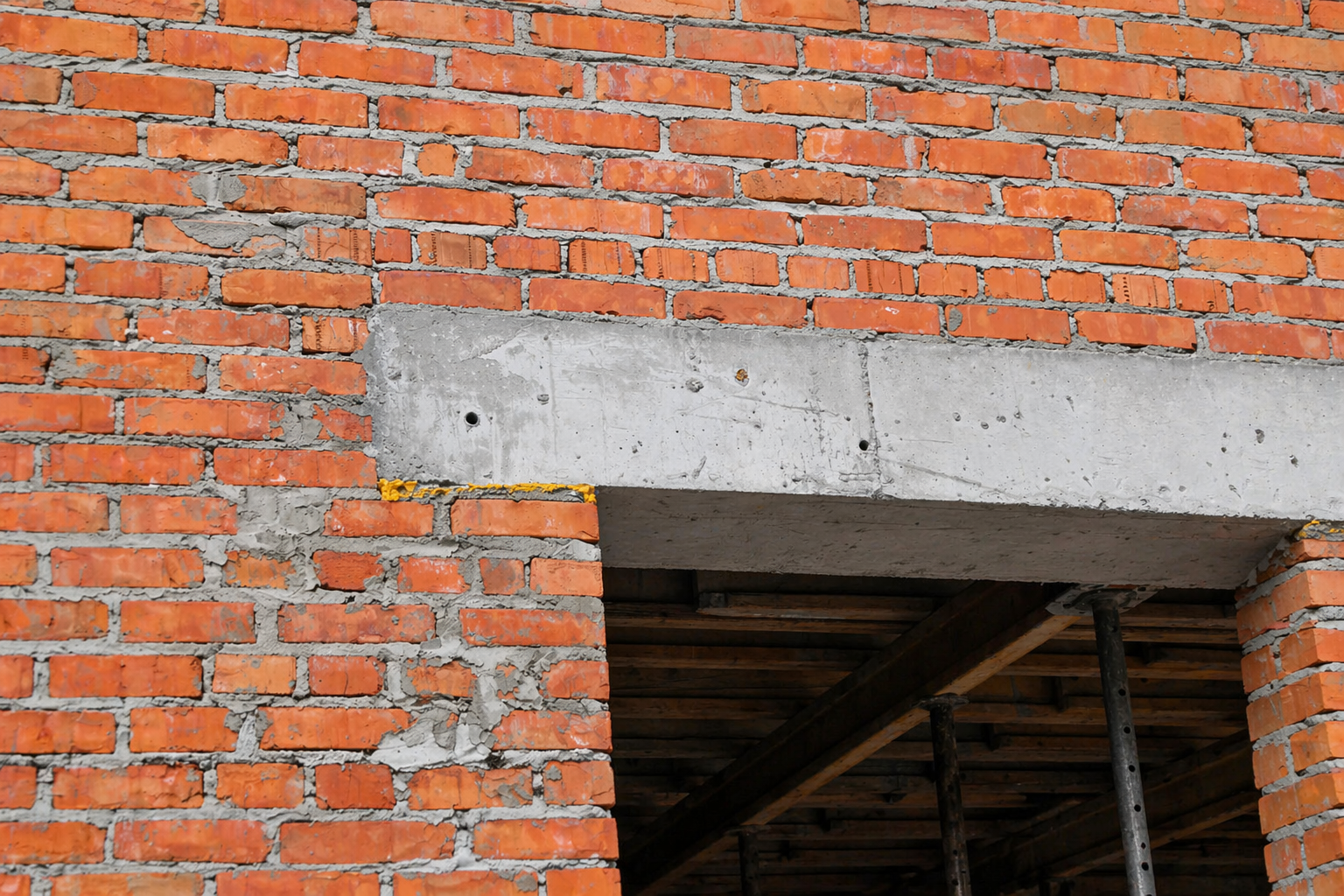
Lintels are a great way to support masonry walls above openings such as windows and doors. They are strong, reliable, and can be designed to fit any opening.
Lintels are made of rolled steel sections, such as angles, channels, or tees or prestressed concrete.
19 February 2023

Underpinning is a process used to strengthen and stabilize the foundation of an existing building. It is a crucial step in the maintenance and preservation of structures, especially those that have become weakened over time due to age, changes in the surrounding environment, or other factors. In this article, we will explore the basics of underpinning, its importance in structural engineering, and how it is performed.